Table of contents
Grocery flyers are a valuable resource, yet many shoppers overlook their full potential. Unlocking the secrets of these weekly advertisements can lead to smarter shopping, significant savings, and a better understanding of in-store promotions. Discover how mastering grocery flyers can transform your grocery routine and make every trip to the store more efficient.
Decoding grocery flyer layouts
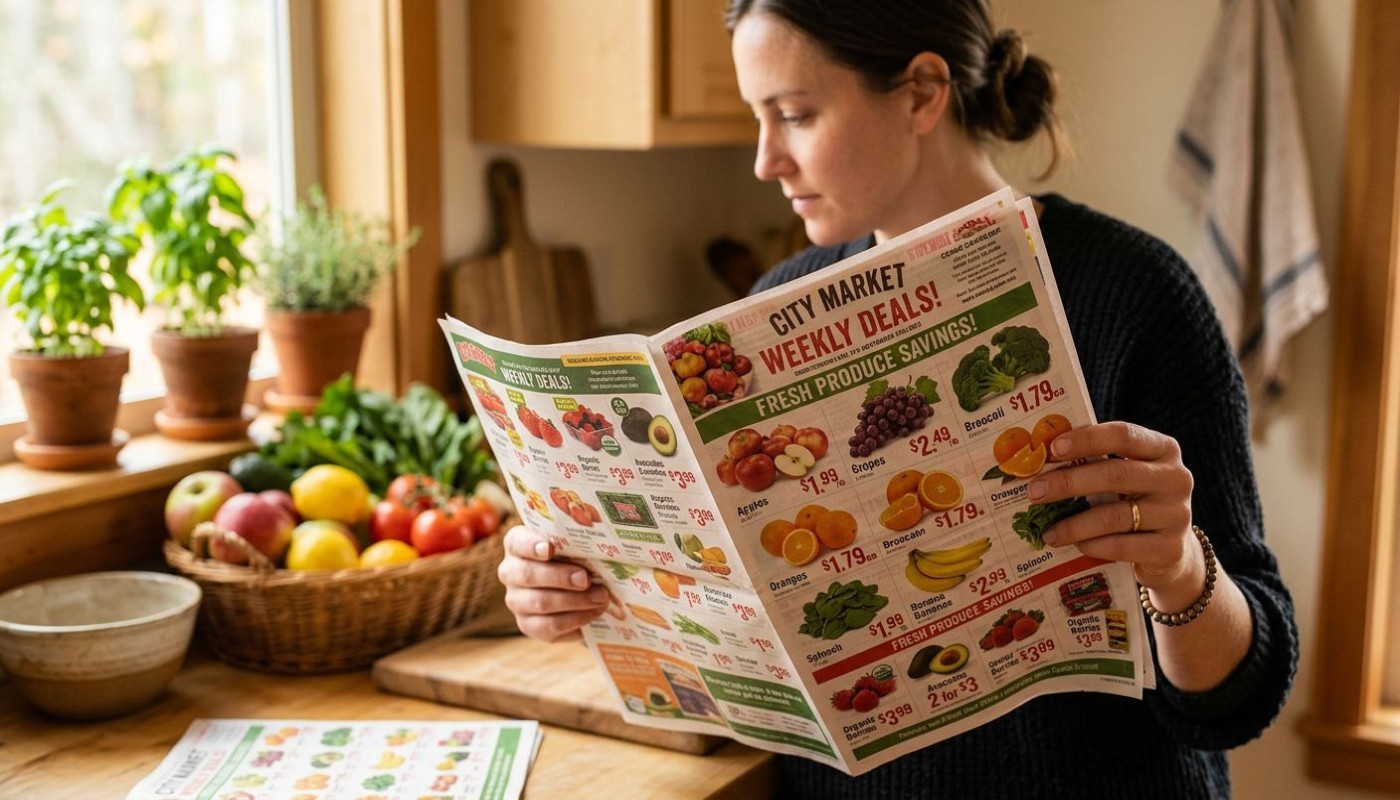
Grocery flyers follow a strategic organization designed to maximize shopper interest and drive sales through thoughtfully arranged sections. Typically, the front page features the week's most attractive weekly deals, drawing attention to deeply discounted or popular items. This front-page real estate is reserved for headline-grabbing store promotions, such as buy-one-get-one offers or exclusive savings on staples. As readers move through the flyer, fresh produce highlights often appear next, spotlighted with vibrant images and bold pricing to emphasize value and seasonality. Additional pages showcase categories like bakery goods, meats, dairy, and household essentials, each selected to match current shopping trends and consumer preferences.
Flyer organization relies heavily on visual tactics to influence buying behaviors. Eye-catching graphics, contrasting colors, and strategic product placement are all used to guide attention toward featured items. Retailers position loss leaders—products sold at minimal profit—to lure shoppers, who are then introduced to other deals as they browse further. Expertly designed layouts also group complementary products together, encouraging multi-item purchases. In this way, the structure of grocery flyers not only simplifies the shopping experience but also maximizes exposure to store promotions, helping readers spot the best shopping tips for their weekly list.
According to the head supermarket manager, the technical term planogram refers to a detailed diagram or model that dictates the placement of products within a physical store, and its principles are mirrored in grocery flyer design. A planogram ensures that top-selling or high-margin items are given prominent space, both on shelves and in flyers, to optimize visibility and sales. Understanding planograms enables shoppers to quickly identify featured weekly deals and locate similar groupings in-store, making flyer organization a valuable tool for efficient and cost-effective grocery shopping.
Spotting the best deals
When scanning grocery flyers, recognizing genuine flyer bargains involves looking beyond flashy graphics to focus on the numbers that matter. Start by checking the unit price, which breaks down the cost per ounce, pound, or liter — a reliable way to perform effective price comparison across brands and package sizes. Paying attention to seasonal specials is another efficient approach, as items in peak harvest are often discounted, aiding in substantial grocery savings. Not every promotion guarantees real value; some deals are marketing tactics designed to create urgency or encourage bulk purchases that exceed your needs. Experts in deal spotting recommend comparing the advertised price with your store's regular pricing and other retailers to ensure you're not being swayed by superficial discounts.
A senior grocery analyst highlights the term loss leader, referring to products intentionally priced below cost to attract customers into the store. Retailers expect that while shoppers come in for these eye-catching deals, they will purchase other full-priced items as well. Recognizing loss leaders can significantly improve your flyer bargains strategy: focus your shopping list on these items and resist the temptation to buy unnecessary add-ons. Combining such tactics with careful assessment of unit pricing and seasonal specials can make a noticeable difference in your overall grocery savings, transforming the way you approach weekly deal spotting.
Understanding coupon integration
Grocery coupons frequently work hand-in-hand with flyer discounts, enabling savvy shoppers to maximize their savings at checkout. By carefully reviewing both digital and paper offers, consumers can practice a savings strategy known as coupon stacking, where more than one coupon or promotional offer is used on a single item. Many retailers allow shoppers to apply a manufacturer coupon on top of a store coupon, effectively reducing an item's price even further. It is vital to review each store's coupon policy, as some locations limit the number of coupons or restrict combining certain discounts. To optimize flyer discounts, always check for compatible grocery coupons and plan purchases in advance, ensuring that the offers can be applied together for maximum benefit.
Shopping hacks such as organizing coupons by expiration date and matching them weekly to flyer deals can lead to significant reductions on grocery bills. According to a coupon policy expert, stacking describes the technical process of applying multiple coupons—such as a store and a manufacturer coupon—on a single product, provided the retailer's policy permits it. This practice not only helps stretch a household budget but also encourages strategic planning for both frequent and occasional shoppers. By understanding and leveraging the nuances of coupon stacking, individuals can transform routine shopping trips into opportunities for impressive savings and smarter spending habits.
Timing flyer shopping trips
Aligning a shopping schedule with flyer release dates allows shoppers to take full advantage of weekly sales and store cycles. Retailers, such as No Frills, typically introduce new flyers on a consistent day each week, making it easier to anticipate when fresh deals become available. By planning grocery planning around these release dates, individuals can capitalize on promotional prices before items sell out or deals expire. This approach not only helps save money but also reduces the need for unexpected or last-minute store visits. Checking the No Frills Flyer at the beginning of every cycle—found at No Frills Flyer—ensures access to the most current discounts and can inform which locations have the most attractive offers that week.
An experienced store operations director explains that a sales cycle refers to the recurring period during which specific products are promoted at reduced prices, driven by inventory management and supplier agreements. Understanding the rhythm of store cycles empowers shoppers to predict when favored products will return to promotion, allowing for smarter purchasing decisions and minimizing overspending. Integrating knowledge of weekly sales and flyer release into regular grocery planning helps maximize the value of every shopping trip, especially for those focused on budget-friendly routines.
Leveraging digital grocery flyers
Digital flyers have transformed the way shoppers access promotions, providing interactive elements and real-time updates that paper versions cannot match. Through mobile apps and dedicated store websites, consumers can browse digital flyers for the latest online grocery deals, explore clickable sections, and receive targeted virtual shopping experiences. Many retailers now include features such as search filters, shopping list integration, and in-app notifications, streamlining the process of identifying discounts and preparing for shopping trips. The shift to paperless convenience also supports environmental sustainability while offering instant access to deals from any location, reducing reliance on physical copies.
A standout benefit of digital flyers is the integration of personalized offers. According to a digital retail strategist, the technical term personalization engine refers to sophisticated software that analyzes individual shopping habits and preferences to tailor discounts and promotions directly to each user. As personalization engines become more advanced, shoppers are presented with highly relevant online grocery deals, increasing satisfaction and saving time. This technology not only boosts retailer engagement but also enables users to maximize value with less effort, cementing digital flyers as a vital tool in modern virtual shopping.
Similar